



“Lost in Tebit” © icholas Eugene Tonzola III
Why a poem?
Because we could read nearly anything and not affected.
Because if we are unaffected for too long.we lose ourselves.
Because just relying on the sunlight that reaches our retina
Is Blindness.
Because indifference to understanding is a plague.
Because there is far too little music in the world
Because each journey around the Sun is impossible.
Because mere temporal pleasure is poverty.
Because that pleasure can only numb our pain for moments
Because we can know it if we see it,
But we can love it if we hear it.
Dave Somerset lives in Salem, MA with his wonderful wife and small disagreeable dog. He writes and performs poetry, stories and music at local open mics. A member of the Salem Writers Group and the Tin Box Poets, Dave’s work has appeared in the Merimac Mic Anthology, Whisper and the Roar, Oddball magazine, Ugly Writer, Brave and the Reckless, 3rd Wednesday Magazine, Wild Roof Journal, Riza Press, and Lily Poetry Review. He also has published a chapbook: Among Poets Tonight.
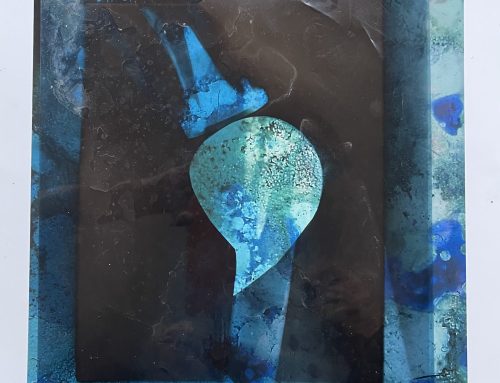
Nicholas Eugene Tonzola III: “The impetus of this work dates to my learning of Eastern religions. During a particular lecture, we learned of the Sand Mandala tradition practiced by Tibetan Monks. Creating a Sand Mandala consists of making intricate works of art, then dismantling them upon completion. It is meant to show the transitory and impermanent aspects of the natural world. The incredible beauty of their work draws tourism; Western tourists often photograph the Sand Mandalas in an act of wild irony. Their point is not to be preserved, but instead to be destroyed. When we photograph them, we miss their entire purpose. This sentiment, of the transitional nature of life, spoke volumes to me. For the first time, I could truly reflect on what it means to take a photograph of something. You are taking time out of your observation to preserve that moment. Yet how often do we return to those photos: we likely never do. On the off chance we do return to them, we often want to see them feel the vicarious sensation of awe that the particular piece may have imbued in us.”







Leave A Comment