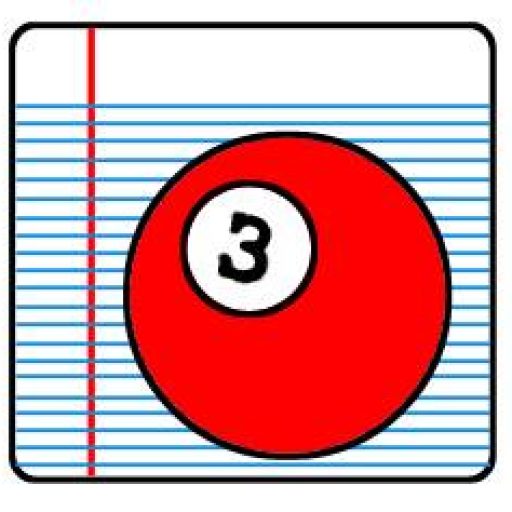



Artwork © Richard Spisak
Trump, The Art of the War
Not by Sun Tzu. By Trump. Much better. The best. Legendary even.
Foreword by Dr. Ivanoff Whatthefucquet,
Former Trump University Historian
“This military treatise, written by Donald J. Trump, demonstrates the lost martial wisdom of a leader who neither read The Art of War nor believed in reading, but somehow rewrote it anyway. Behold: the strategies of war, as revealed in a Diet Coke-induced trance state from Mar-a-Lago.”
Chapter One: Leadership
“A great general wins before the war starts. The greatest one fires all the generals first.”
Real leaders don’t trust experience. Experience is suspicious. Replace it with loyalty. Fire the woke, bookish generals. Bring in TV warriors—like Pete Hegseth. He’s undefeated on cable news. That’s winning.
Medals are meaningless. MAGA hats? That’s the real uniform.
Chapter Two: Intelligence
“Know thy enemy. But make sure nobody knows YOU know anything.”
Forget the CIA—nerds. Use Signal. Telegram. Post secrets next to your gym shorts. Nobody checks there. It’s brilliant. Hide them in plain sight—like under a bucket of KFC. The enemy won’t suspect a thing.
Chapter Three: Allies
“A strong leader stands alone. Like a very independent, very powerful lone wolf.”
Allies are needy. NATO? NOTO. They never bring snacks to summits. Cut them loose. Hit them with tariffs. Wine. Cheese. Baguettes. All of it. Call it “national security.” Works every time. When WWIII starts, they’ll just slow us down anyway.
Chapter Four: Trade Wars
“Before a real war, you destroy your own farmers. That’s how they know you mean business.”
Tariffs are like pre-war jazz hands. Hit Canada. Surprise attack. Start with maple syrup. Cry on Twitter. Blame Canada. Confuse the markets—confusion is strength.
Chapter Five: Distraction
“While they’re watching your left hand, sue them with the right.”
War leaders multitask. Golf. Court appearances. Fist bumps with dictators. Real power comes from chaos. Bomb threats at breakfast, rally speeches by lunch. Declare victory in the morning, deny the war existed by dinner.
Chapter Six: Morale
“Give the troops hats. Not orders.”
They love me. I gave them red hats. Way better than helmets. It covers their brains and protects branding. And if they don’t cheer loud enough? Fire them. Loyalty is everything.
Rallies are like vitamin shots for morale. Add fog machines and Creedence Clearwater Revival. Boom—combat-ready.
Chapter Seven: Strategy
“Plans are for losers. Go with your gut—mine’s terrific.”
Generals write 50-page strategies. Boring. My plan? One word: WIN. Or WALLS. Depends. If things go wrong, blame someone else. Switch topics. Distract with infrastructure week. Say it was actually a great success. Best retreat ever.
Chapter Eight: Enemies
“Enemies are terrible people. But great for ratings.”
Iran. China. CNN. Enemies are like cologne—spray them everywhere. Call them names: Little Rocket Man. Sleepy Joe. Low Energy Jeb. It weakens them.
Indictments? Free PR. They say “felon,” I say “fighter.” Everyone wins.
Chapter Nine: Diplomacy
“Talk loud. Use ALL CAPS. Host summits at your own resorts.”
Summits are better when you charge room service to taxpayers. If the other guy walks out, declare it a massive win. If it’s boring, tweet insults. And always smile—unless you’re announcing sanctions. Then pout.
Chapter Ten: Peace
“Peace is like diet soda—no calories, no fun.”
Say you want peace while threatening nukes. That’s leverage. Never accept peace prizes unless it’s yours. If someone else wins, call it fake.
Peace without explosions? That’s just standing still.
Chapter Eleven: Declaring War
“Announce it like a boxing match. Fireworks. Flags. Capital letters.”
Call it Operation Greatness. Don’t define goals. Just say we’re winning. Use dramatic music. Maybe a bald eagle. Post it on Truth Social with a picture of you saluting an F-35.
When it’s over—if it ends—hold a parade. With tanks. Preferably gold-plated.
Final Words: The Commander Speaks
“If you wait by the river long enough, your enemies float by. But why wait, when you can drain it and turn it into a golf course?”
This is war, redefined. It’s about momentum. Media. Merch. And above all—never admitting you’re wrong. That’s how you conquer history.
Grady VanWright is a poet, author, and playwright whose work blends introspection, independence, and the surreal edges of the human condition. Based in Houston, Texas, he has been writing and reading poetry for over 25 years, drawing inspiration from a lifetime of experiences and historical fascinations. His work has been published in Washington Square Review (2025), The McNeese Review, and numerous online literary journals. With a distinctive voice that merges stream-of-consciousness with moderate surrealism, Grady continues to craft evocative narratives that challenge perception and invite contemplation.
Richard Spisak began his artistic career as a light artist in the Lumonics Studios of Mel Tanner, a legendary Light Artist. After serving under Jack Horkheimer as a planetarium operator at the Miami Space-Transit Planetarium, he left to begin traveling with Lumist Kenvin Lyman, whose show Dazzleland Studios traveled across America. Richard later worked as a Laserist with LASERIUM and Laser Productions, served as a technical producer for the festival company PACE Concerts, and later as operations Manager and Senior Producer at WWHP and WTCN-TV in Stuart Florida.
Richard writes for Theatre, TV, radio, and the web. He published two short story collections, Two Small Windows, in a Pair of Mirror Doors, and Between the Silences. Followed by his poetry collection 7370 Allen Drive and the recently released STONE POETRY. Richard also produces “POETS of the East,” a televised webcast featuring poets from across the globe.




Leave A Comment